
IT for teleradiology
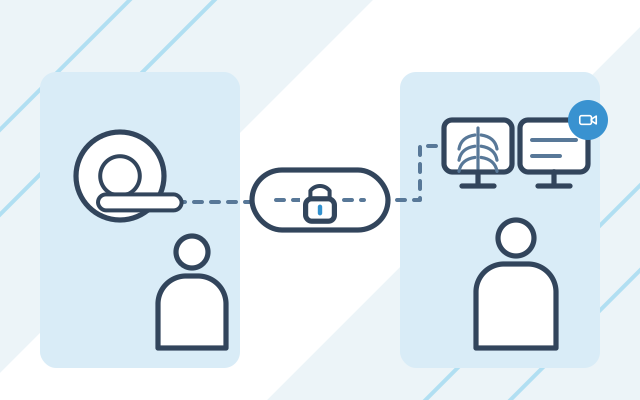
Our teleradiology IT gives radiologists secure connections to report studies outside the imaging department: at home, in their own practice or at a teleradiology provider. We set up internet connections, VPN and workstations and manage radiologists' access. For these providers, we also run all of their IT.
Typical teleradiology IT issues
-

A new radiologist is waiting for access
A radiologist cannot start reporting without system accounts, a VPN connection and a workstation. We set them up and check that studies download correctly before the first report.
-

A radiologist is leaving
Access to studies should not outlast the contract. Once you tell us, we disable the VPN account and system access straight away.
-

Studies take too long to download
CT and MRI studies are far larger than X-rays, so a slow connection delays reporting. We check how much data the department sends and choose the internet connection and network devices to match.
-
Radiologists in different cities
With departments and radiologists in several locations, each connection has to be managed separately. We maintain the servers and separate VPN connections for reporting radiologists.
In teleradiology, patient data leaves the imaging department’s building. That is why every connection is configured so that it is clear who has access, to what and since when, and so that access can be blocked quickly.
How the department sends studies for reporting, and what has to work on its side, is described on our page on IT for radiology.
How we price teleradiology support
We price remote connection support individually. The price depends on the number of hours, the number of departments and connections to maintain, and the required response time. Full IT support runs on a monthly plan, described on our page on IT support for clinics and medical centres.
What we do
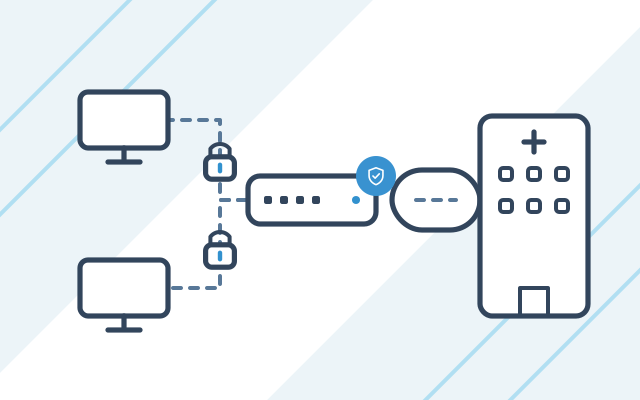
- Encrypted VPN connections between the imaging department and reporting radiologists
- Network connections to external teleradiology providers
- Remote access limited to PACS and RIS, the systems needed for reporting
- Multi-factor authentication (MFA) on remote access
- Workstations and access for new radiologists
- Account and access removal when a radiologist leaves
- Internet connections and network devices matched to the number and type of studies sent
- IT support for an entire teleradiology provider
Who it is for
- Your imaging department works with remote reporting radiologists or a teleradiology provider
- You run a teleradiology business and often bring in new radiologists
- You have a network of diagnostic imaging centres in several cities and radiologists reporting from elsewhere
- Radiologists complain about slow study downloads or dropped connections
- You want to know who has access to studies from outside the department, and since when
VPN connections for reporting radiologists
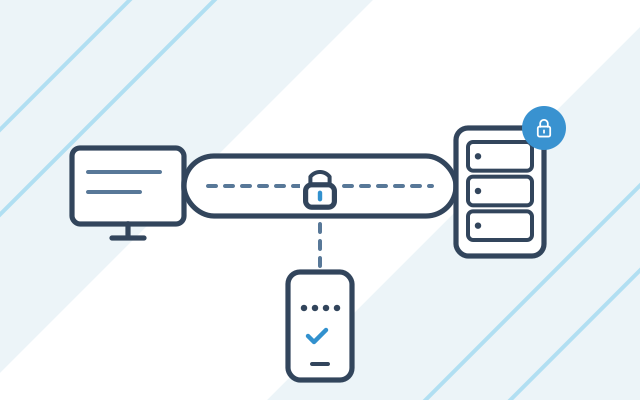
Radiologists connect to the department over an encrypted VPN, and their sign-in is protected by multi-factor authentication. Access is limited to the systems needed for reporting: PACS and RIS.
- Separate VPN connections for reporting radiologists
- Multi-factor authentication at sign-in
- Firewall rules that limit access to PACS and RIS
- A study download test on the radiologist's workstation
Onboarding and offboarding radiologists
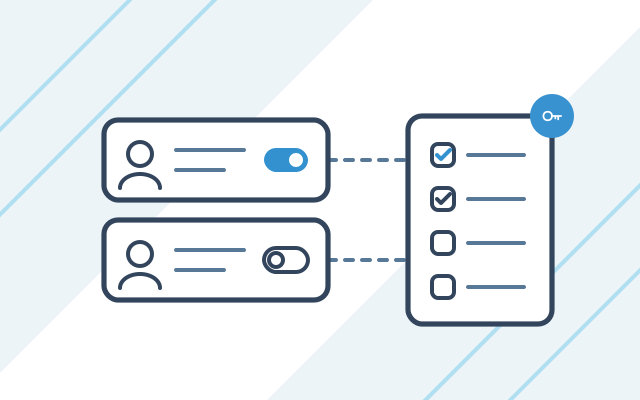
We take each new radiologist through the workstation, connection and access setup. Equipment for a home reporting workstation is chosen and configured to the requirements confirmed by the person responsible for radiation protection in your department.
- Workstation, VPN connection and access for a new radiologist
- Selection and configuration of reporting workstation equipment
- A check that reports can be signed with the chosen method
- Accounts and VPN disabled as soon as you tell us a radiologist is leaving
- A record of access changes in helpdesk tickets
Teleradiology providers: connections and IT support
When an external company reports the studies, we set up the connection between the department's network and the provider's network and agree its parameters with the provider's IT team. We also maintain servers, networks and workstations for such companies.
- Connection between the department's network and the provider's network
- Access limited to the systems and studies covered by the contract
- Internet connection and network devices matched to the number of studies sent
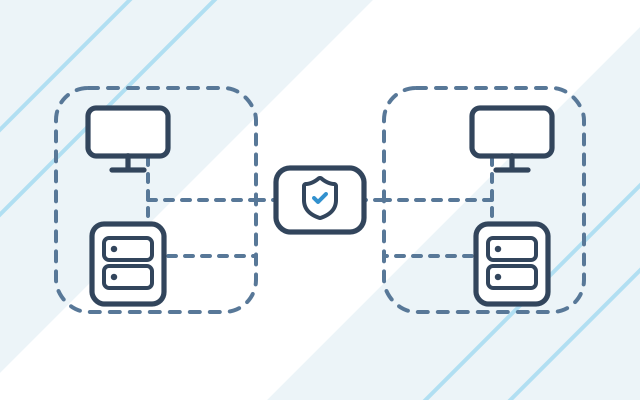
How we work
-
Connection review
We check the internet connections, the firewall, how radiologists sign in and which systems they connect to.
-
Access rules
We agree who has access to what, how radiologists sign in and how new people are added.
-

Configuration
We configure the VPN, multi-factor authentication and firewall rules, then test study downloads on the radiologist's workstation.
-
Onboarding radiologists
Each new radiologist is taken through the workstation and access setup. When they leave, we disable their accounts.
-

Ongoing support
We deal with connection problems and keep network devices up to date.
Pricing
Net prices. We will prepare an exact quote after a short conversation about your needs.
| Service | Billing model | Price | What it depends on |
|---|---|---|---|
| Teleradiology and remote connection support | monthly plan | individual quote | number of hours, number of departments and remote connections to maintain, required response time (SLA) |
| IT support for a teleradiology provider | monthly plan with a set number of hours | from 1,400 PLN net / month | number of hours, medical systems, required response time (SLA), 24/7 on-call cover as an add-on |
Experience and partners
- For a network of diagnostic imaging centres in several cities, we provide separate VPN connections for reporting radiologists and maintain the network's servers.
- We build remote connections on firewalls and network devices from manufacturers we partner with, including Fortinet and Cisco.
-
 Fortinet Authorized Reseller
-
 Cisco Partner
Cisco and the Cisco logo are trademarks or registered trademarks of Cisco Systems, Inc. and/or its affiliates in the United States and certain other countries.
Security and regulations
-
Healthcare services provided remotely
Healthcare services may be provided through information and communication technology (ICT) systems or other communication systems. We set up and maintain the connections and workstations that radiologists use to report studies outside the department.
Polish Act of 15 April 2011 on Medical Activity, Article 3(1) Legal status as of
-
Signing an electronic study report
Electronic medical records, which include study reports, are signed with a qualified electronic signature, a trusted profile signature (podpis zaufany), a personal signature from the Polish e-ID card, or a free mechanism provided by ZUS, the Polish Social Insurance Institution. When preparing a reporting radiologist's workstation, we check that they can sign reports with the chosen method, for example a qualified signature.
Polish Act of 28 April 2011 on the Healthcare Information System, Article 2(6) Legal status as of
Frequently asked questions
Can a radiologist report studies from home?
Yes, if the connection to the department is encrypted, sign-in is protected by an additional factor and the workstation is suitable for reporting. We set up the VPN connection and limit access to the systems needed for reporting.
What requirements must a home reporting workstation meet?
A radiologist's reporting workstation is subject to the requirements for reporting workstations, and its monitors to operational tests. We describe these on our IT for radiology page. How they apply in a radiologist's home is confirmed by the person responsible for radiation protection in your department, and we choose and configure the equipment as they specify.
How long does it take to connect a new radiologist?
It depends on whether the radiologist already has a reporting workstation and whether the department has given us everything needed to create their system accounts. Once both are in place, we set up the VPN connection and access, then check study downloads on the radiologist's workstation.
How do we remove access for a radiologist who is leaving?
You report it in the helpdesk, and we disable the VPN account and system access. The ticket shows when access was blocked.
Do we need a data processing agreement with a teleradiology provider?
Yes. When an external contractor reports the studies, the healthcare provider (as defined in Polish law) signs a data processing agreement with them under Article 28 GDPR. The agreement sets out, among other things, what happens to the data when the service ends. We configure technical access within the limits set by this agreement.
What internet connection does teleradiology need?
Bandwidth depends on the number and type of studies sent outside the department. We choose the connection after checking how much data the department sends. If reports are urgent, we also recommend a backup connection.
Can you handle all the IT of a teleradiology provider?
Yes. Besides the connections for radiologists, we maintain the company's servers, network and workstations. The scope of this support is set out in the contract, and the monthly plan is described on our page on IT support for clinics.
See also
-
IT for radiology and diagnostic imaging
We implement and connect HIS, RIS and PACS, and supply reporting workstations and disc publishers for diagnostic imaging departments.
-
Network infrastructure for hospitals and clinics
We install cabling, configure NGFW firewalls and Wi-Fi, segment the network and connect the sites of a hospital or clinic.
-
IT support for clinics and medical centres
We look after servers, networks, backups and medical systems on a monthly plan from PLN 1,400 per month excl. VAT.
-
Conetso Group
Fortinet: firewalls and VPN
FortiGate, VPN and remote access configuration at Conetso Group.
From our blog

NIS2 for healthcare providers in Poland: KSC obligations
NIS2 for healthcare providers in Poland: the KSC Act now covers them. We explain who is an essential or important entity, the deadlines and first steps.